πŸ›οΈ REPTILES & AMPHIBIANS GALLERY EXHIBIT #EX-REP-BAL πŸ“– CURATOR'S STORYBOOK DOSSIER

Ball Python (Royal Python)

"Gentle non-venomous constrictors from West African grasslands, famed for curling into a protective ball, thermal heat pits, and docile hands-on calm."

CURATORIAL INSPECTION TOOL:
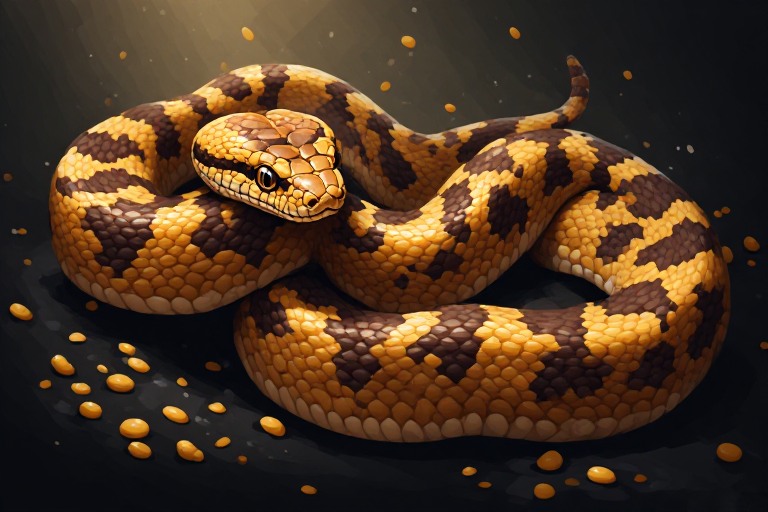
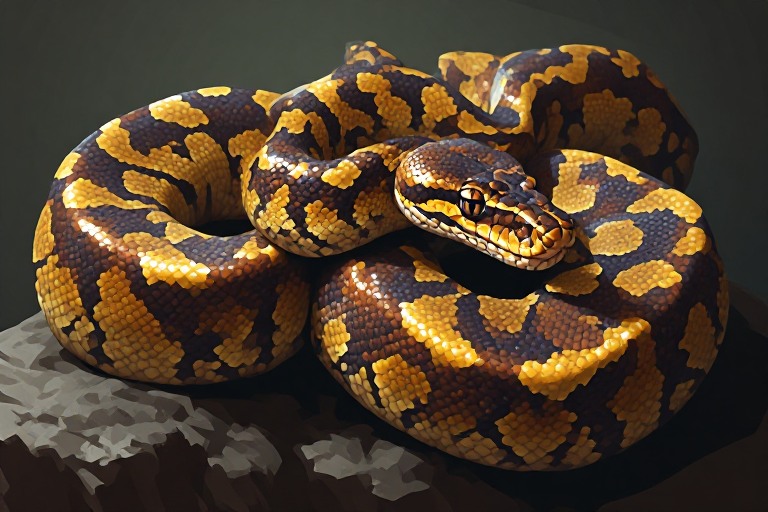
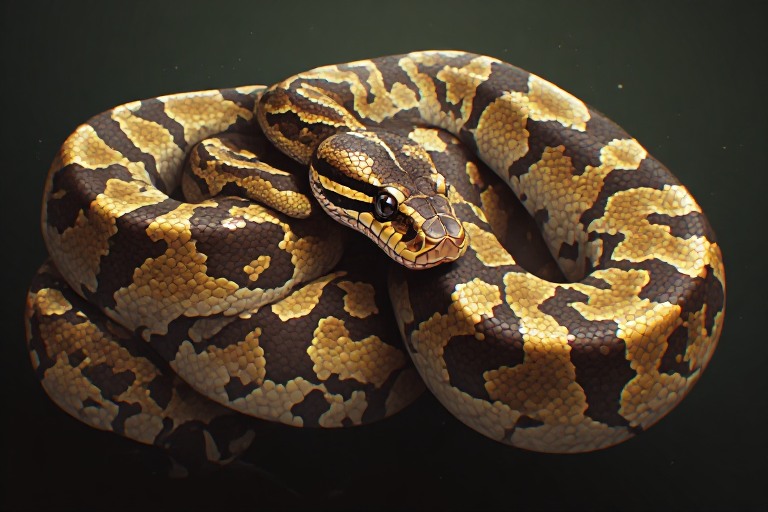
Ball Python (Royal Python) artwork piece 1Ball Python (Royal Python) artwork piece 2
EX-REP-BAL Β· REPTILES & AMPHIBIANS GALLERY

Ball Python (Royal Python)

Museum Fine Art Masterpiece
NATIONAL MUSEUM SPECIMEN LABEL #EX-REP-BAL OFFICIAL RECORD
SIZE CLASS Medium Non-Venomous Snake (3-5 ft)
NOISE LEVEL Silent (Gentle soft exhales)
SPACE NEED 4x2x2ft Front-Opening Enclosure (120 Gallon)
SOCIAL TEMPERAMENT Solitary Gentle Constrictor (Docile with humans)
HANDLING COMFORT High (Calmest & most handleable pet snake)
CARE TIME DEMAND Low (Feeding frozen-thawed rodent every 1-2 weeks)
πŸ–ΌοΈ ART GALLERY: 2 CATALOGUED PIECES TOGGLE DOTS TO INSPECT β†’
πŸ“–

Chapter I: The Story & Human Friendship

The Royal Constrictor of West Africa

In the sun-warmed savannas and open woodlands of West Africa, a gentle, non-venomous snake makes its home in abandoned mammal burrows and termite mounds. Known in Europe as the Royal Python (because ancient African royalty wore them like living jewelry), it is celebrated in America as the Ball Python (Python regius).


🌑️ The Thermal Heat Vision Superpower

Ball Pythons possess a superpower invisible to the human eye!

  • Heat Pits: Located along their upper lip are specialized labial heat pitsβ€”thermoreceptive organs that detect infrared thermal radiation (heat)!
  • Infrared Thermal Map: Even in pitch darkness, a Ball Python can see a 3D heat map of warm objects in its environment!

⚽ The Defensive β€œBall” Defense

Ball Pythons are famous for their docile, non-aggressive nature. If startled, rather than striking, they curl their body into a tight round ball, wrapping their muscular coils around their head to protect themselves.


🏑 Designing a Python’s Sanctuary

  • Two Identical Hide Caves: Place one hide on the warm side (88Β°F–92Β°F) and one on the cool side (78Β°F–80Β°F) so the python can thermoregulate safely.
  • Humidity Management: Maintaining 60% to 70% humidity ensures smooth, single-piece sheds!
πŸ’‘

Chapter II: Superpowers & Secret Facts

CURATOR'S SECRET

"Ball Pythons earned their name because when threatened or shy, they roll into a tight ball with their head tucked safely inside the center of their body coil!"

Scientific Source Citation: Herpetological Journal & Reptile Welfare Trust
🏑

Chapter III: Building the Perfect Sanctuary

To ensure this species thrives happily and safely in your home, curators recommend having the following sanctuary essentials ready:

βœ“ 4x2x2ft Front-Opening PVC Enclosure
βœ“ Under-Tank Heat Mat or Radiant Heat Panel (88-92Β°F warm side)
βœ“ Dual Enclosed Hiding Caves (Warm & Cool Sides)
βœ“ Digital Thermometer Hygrostat Probe Set
EXHIBITION HALL Β· RELATED SPECIES

Explore Related Species in Reptiles & Amphibians Gallery

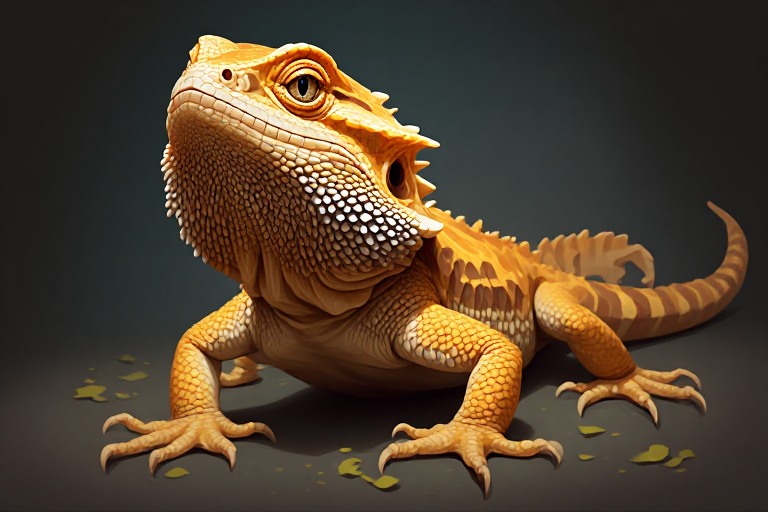
Bearded Dragon artwork piece 1
EX-REP-BEA Β· REPTILES & AMPHIBIANS GALLERY

Bearded Dragon

Museum Fine Art Masterpiece
Inspect Exhibit Placard β†’
Corn Snake artwork piece 1
EX-REP-COR Β· REPTILES & AMPHIBIANS GALLERY

Corn Snake

Museum Fine Art Masterpiece
Inspect Exhibit Placard β†’
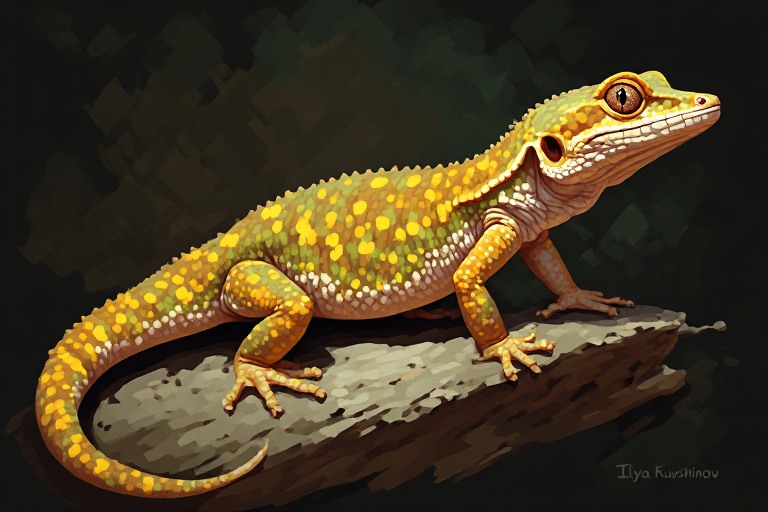
Crested Gecko (Eyelash Gecko) artwork piece 1
EX-REP-CRE Β· REPTILES & AMPHIBIANS GALLERY

Crested Gecko (Eyelash Gecko)

Museum Fine Art Masterpiece
Inspect Exhibit Placard β†’
← Back to Reptiles & Amphibians Gallery