πŸ›οΈ REPTILES & AMPHIBIANS GALLERY EXHIBIT #EX-REP-BEA πŸ“– CURATOR'S STORYBOOK DOSSIER

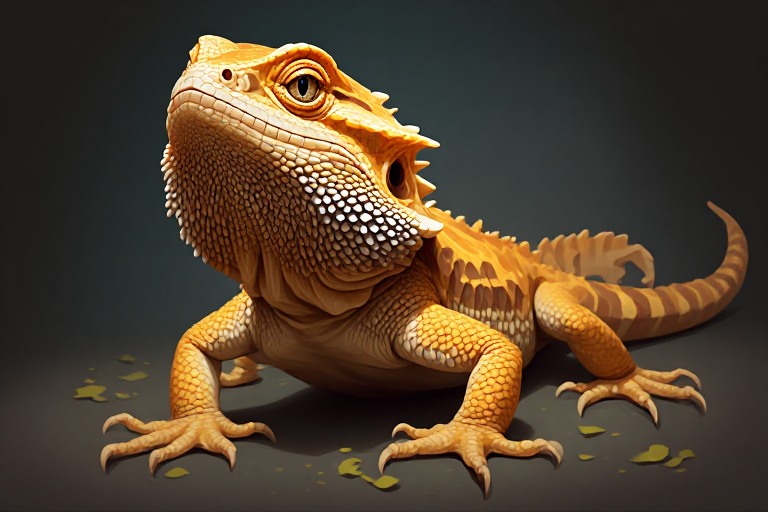
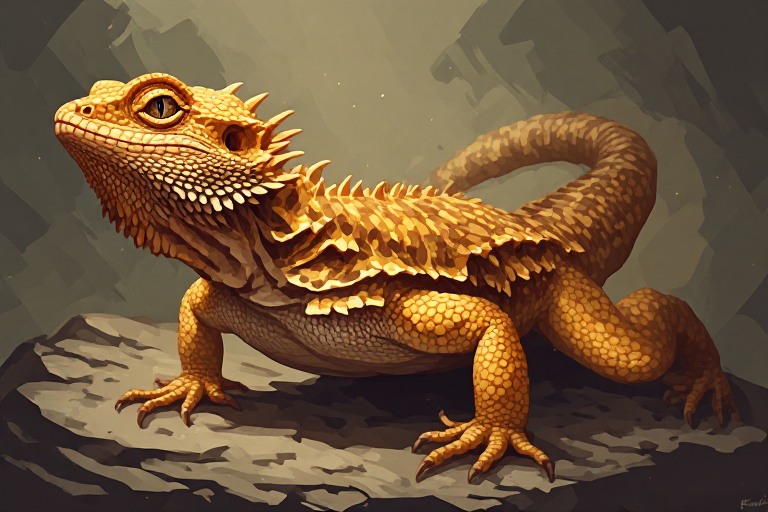
Bearded Dragon

"The charismatic desert lizard of Australia, famous for its spiky throat beard, calm arm-waving communication, and love for sun-basking on warm rocks."

CURATORIAL INSPECTION TOOL:
Bearded Dragon artwork piece 1Bearded Dragon artwork piece 2
EX-REP-BEA Β· REPTILES & AMPHIBIANS GALLERY

Bearded Dragon

Museum Fine Art Masterpiece
NATIONAL MUSEUM SPECIMEN LABEL #EX-REP-BEA OFFICIAL RECORD
SIZE CLASS Medium Desert Lizard (18-24 inches)
NOISE LEVEL Silent (Gentle throat-beard gestures)
SPACE NEED 4x2x2ft Wooden or Acrylic Enclosure (120 Gallon)
SOCIAL TEMPERAMENT Solitary Desert Basker (Docile with humans)
HANDLING COMFORT High (Calmest & most handleable pet lizard)
CARE TIME DEMAND Moderate (Daily live insect & salad feeding)
πŸ–ΌοΈ ART GALLERY: 2 CATALOGUED PIECES TOGGLE DOTS TO INSPECT β†’
πŸ“–

Chapter I: The Story & Human Friendship

The Friendly Sun Basker of the Australian Outback

Across the sun-baked woodlands and arid deserts of central Australia lives one of the world’s most friendly and fascinating reptiles: the Bearded Dragon (Pogona vitticeps).

Nicknamed β€œBeardies”, these gentle lizards are covered in soft spiky scales and feature a expandable throat pouch lined with flexible spines that resembles a beard!


πŸ‘οΈ The Secret β€œThird Eye” Superpower

Did you know that a Bearded Dragon has a secret third eye?

Located right on top of their head between their eyes is a tiny, pale scale known as the Parietal Eye (or Pineal Eye). While it cannot see detailed images like their main eyes, this third eye contains a lens and retina that detect changes in light and shadow. In the wild, if a predatory hawk or eagle flies high overhead, the parietal eye instantly alerts the dragon to duck under a rock!


πŸ‘‹ Secret Body Language: The Slow Arm Wave

Bearded Dragons are famous for their unique, gentle body language:

  • The Slow Arm Wave: A dragon will slowly raise one front leg and wave it in a gentle circle. This is a peaceful signal that translates to: β€œHello! I see you, and I am friendly!”
  • Head Bobbing: A faster up-and-down head motion indicates excitement or territorial confidence.
  • Beard Puffing: When displaying emotions or catching rays of warm sun, they can puff out their throat pouch.

🏑 Designing an Outback Sanctuary

To keep a Bearded Dragon healthy and energetic, replicating the Australian desert sun is essential:

  • Linear T5 UVB Lighting: Crucial for synthesizing Vitamin D3 and calcium for strong bones.
  • Basking Surface: Provide a warm slate rock under the heat lamp reaching 100Β°F to 105Β°F.
  • Nutritional Balance: Young dragons enjoy gut-loaded dubia roaches and crickets, while adults eat crisp greens like collard greens, mustard greens, and squash!
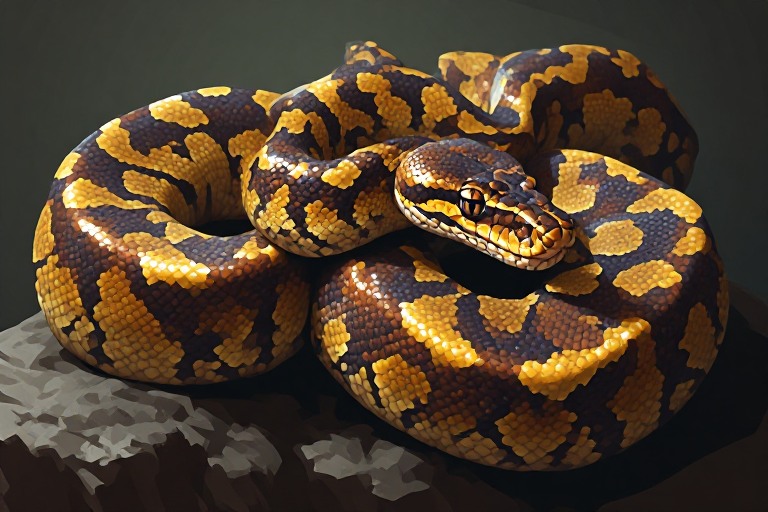
πŸ’‘

Chapter II: Superpowers & Secret Facts

CURATOR'S SECRET

"Bearded Dragons possess a secret 'third eye' on top of their head called a parietal eyeβ€”a tiny translucent scale that senses light and shadow to detect birds flying overhead!"

Scientific Source Citation: Herpetological Review & Journal of Comparative Neurology
🏑

Chapter III: Building the Perfect Sanctuary

To ensure this species thrives happily and safely in your home, curators recommend having the following sanctuary essentials ready:

βœ“ 4x2x2ft (120 Gallon) Front-Opening Enclosure
βœ“ T5 HO 10.0 Linear UVB Light Bar
βœ“ Halogen Basking Spot Heat Lamp (100-105Β°F spot)
βœ“ Digital Thermometer Hygrostat Probe Set
EXHIBITION HALL Β· RELATED SPECIES

Explore Related Species in Reptiles & Amphibians Gallery

Ball Python (Royal Python) artwork piece 1
EX-REP-BAL Β· REPTILES & AMPHIBIANS GALLERY

Ball Python (Royal Python)

Museum Fine Art Masterpiece
Inspect Exhibit Placard β†’
Corn Snake artwork piece 1
EX-REP-COR Β· REPTILES & AMPHIBIANS GALLERY

Corn Snake

Museum Fine Art Masterpiece
Inspect Exhibit Placard β†’
Crested Gecko (Eyelash Gecko) artwork piece 1
EX-REP-CRE Β· REPTILES & AMPHIBIANS GALLERY

Crested Gecko (Eyelash Gecko)

Museum Fine Art Masterpiece
Inspect Exhibit Placard β†’
← Back to Reptiles & Amphibians Gallery