🏛️ AQUATIC & MARINE COMPANIONS EXHIBIT #EX-AQU-AXO 📖 CURATOR'S STORYBOOK DOSSIER

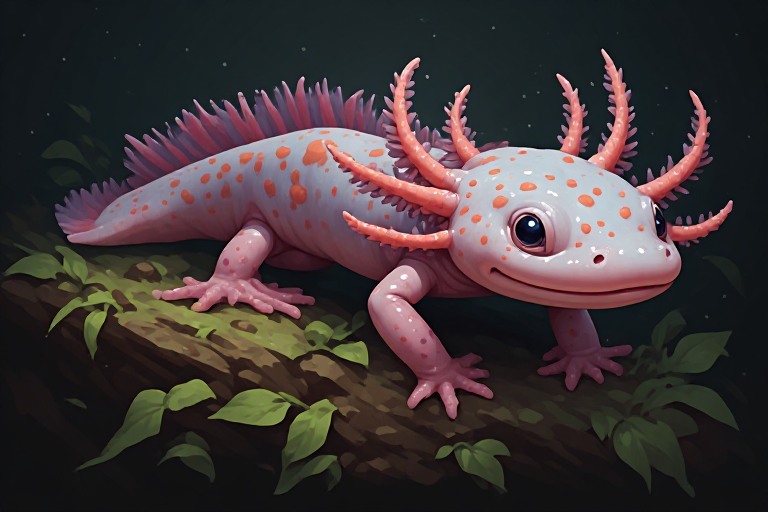
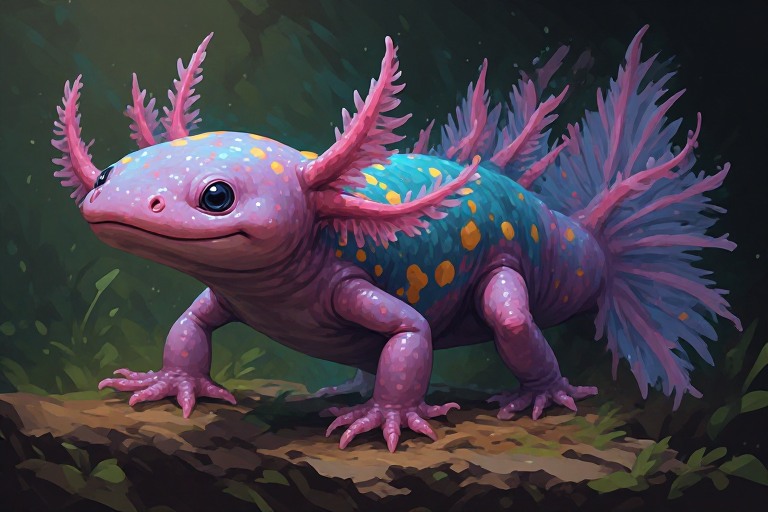
Axolotl (Mexican Walking Fish)

"Astonishing neotenic salamanders native to Lake Xochimilco, Mexico, celebrated for feathery gill plumes, perpetual smiles, and complete limb & organ regeneration."

CURATORIAL INSPECTION TOOL:
Axolotl (Mexican Walking Fish) artwork piece 1Axolotl (Mexican Walking Fish) artwork piece 2
EX-AQU-AXO · AQUATIC & MARINE COMPANIONS

Axolotl (Mexican Walking Fish)

Museum Fine Art Masterpiece
NATIONAL MUSEUM SPECIMEN LABEL #EX-AQU-AXO OFFICIAL RECORD
SIZE CLASS Unique Aquatic Salamander (9-12 inches)
NOISE LEVEL Silent
SPACE NEED 20-40 Gallon Cold-Water Glass Aquarium
SOCIAL TEMPERAMENT Solitary Submerged Native (Visual display)
HANDLING COMFORT Low (Submerged aquatic display only)
CARE TIME DEMAND Low (Bi-weekly feeding & water parameter care)
🖼️ ART GALLERY: 2 CATALOGUED PIECES TOGGLE DOTS TO INSPECT →
📖

Chapter I: The Story & Human Friendship

The Smiling Water Monster of Lake Xochimilco

Deep in the ancient high-altitude lakes of Xochimilco near Mexico City, Aztec mythology told of Axolotl—the god of fire and transformation who disguised himself as an underwater creature to escape capture. Known scientifically as Ambystoma mexicanum, the Axolotl is one of the world’s most unique aquatic amphibians!


🧬 The Total Organ Regeneration Superpower

Scientists worldwide study the Axolotl because of its unbelievable biological superpower:

  • Flawless Limb & Organ Regrowth: If an Axolotl loses a leg, tail, spinal cord, or part of its brain, it can completely regrow a brand-new functioning organ in a few weeks—without any scar tissue!
  • Neoteny Miracle: Unlike other salamanders that metamorphose to walk on land, Axolotls retain their juvenile gills and stay underwater their entire lives.

🪸 Feathery Plumes & Smiling Faces

  • External Gill Plumes: The feathery crown around their head contains microscopic blood capillaries that extract oxygen from cool water.
  • Perpetual Smile: Their wide mouth shape gives them a sweet, smiling facial expression!

🏡 Creating an Axolotl’s Cold-Water Haven

  • Cold Water Requirement: Axolotls require cool water between 60°F and 68°F (15.5°C–20°C). Water chillers prevent heat stress.
  • Fine Sand Substrate: Bare-bottom tanks or ultra-fine sand prevent accidental gravel impaction!
💡

Chapter II: Superpowers & Secret Facts

CURATOR'S SECRET

"Axolotls possess the most extraordinary regeneration superpower in the animal kingdom—they can regrow entire lost limbs, tail, spinal cord, eyes, and even heart tissue without leaving a single scar!"

Scientific Source Citation: Nature Journal & Regenerative Biology Research
🏡

Chapter III: Building the Perfect Sanctuary

To ensure this species thrives happily and safely in your home, curators recommend having the following sanctuary essentials ready:

20-40 Gallon Long Glass Aquarium
Aquarium Chiller (Maintain cool 60-68°F water)
Low-Flow Sponge Filter & Fine Aquarium Sand
Live Worms (Nightcrawlers) & Soft Terracotta Hides
EXHIBITION HALL · RELATED SPECIES

Explore Related Species in Aquatic & Marine Companions

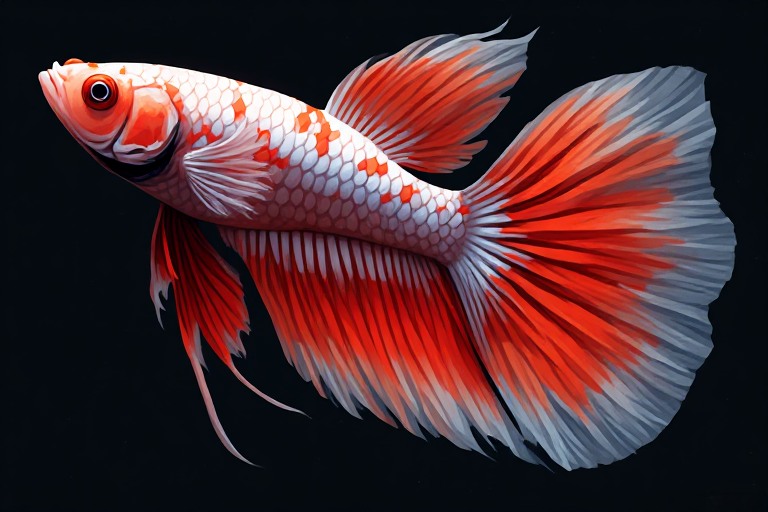
Betta Fish (Siamese Fighting Fish) artwork piece 1
EX-AQU-BET · AQUATIC & MARINE COMPANIONS

Betta Fish (Siamese Fighting Fish)

Museum Fine Art Masterpiece
Inspect Exhibit Placard →
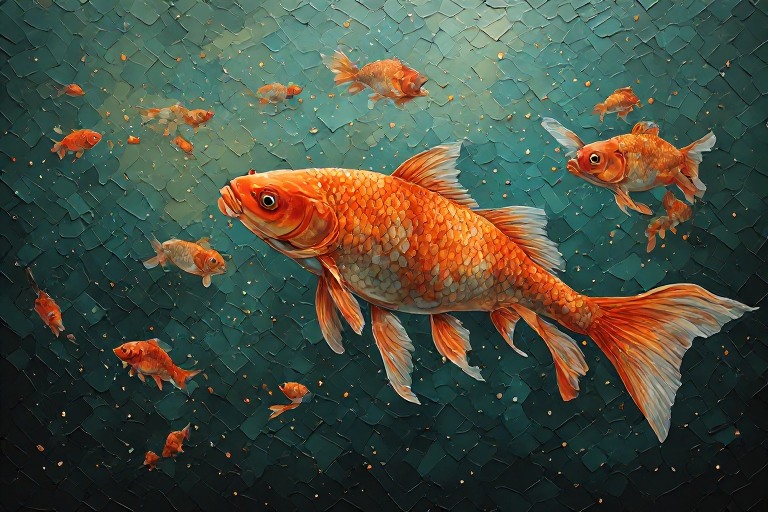
Fancy Goldfish (Oranda / Fantail / Black Moor) artwork piece 1
EX-AQU-FAN · AQUATIC & MARINE COMPANIONS

Fancy Goldfish (Oranda / Fantail / Black Moor)

Museum Fine Art Masterpiece
Inspect Exhibit Placard →
← Back to Aquatic & Marine Companions