Chapter I: The Story & Human Friendship
The Legend of the Submerged Jewel
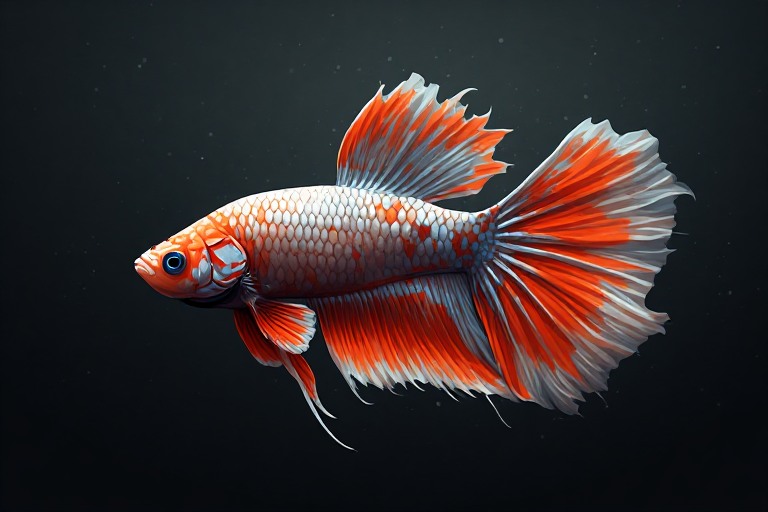
Once upon a time in the lush, sun-drenched rice paddies and tropical streams of Southeast Asia, a tiny fish evolved to become one of the aquatic world’s most breathtaking treasures: the Betta Fish (Betta splendens).
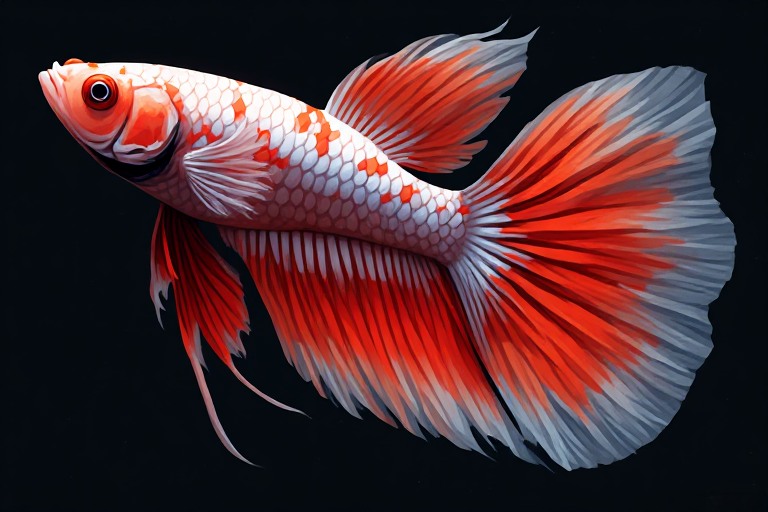
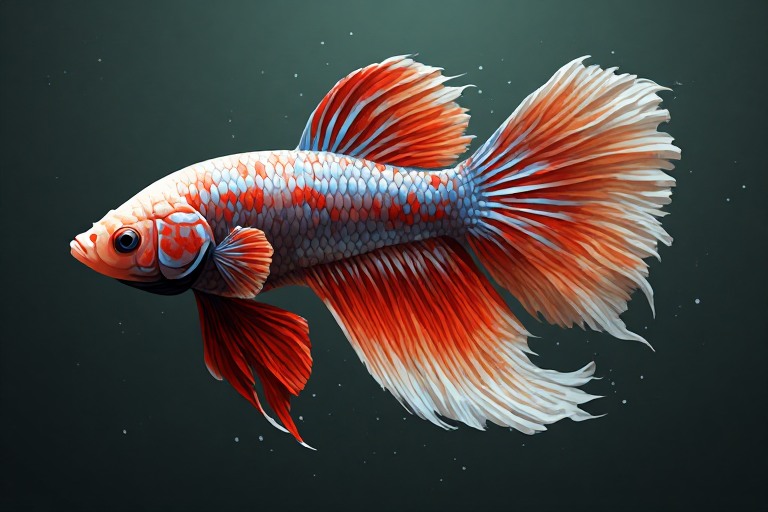
Known affectionately as the Siamese Fighting Fish, these aquatic gems are famous for their fiery, flowing fins that wave like silk banners under water currents.
🌊 The Ancient Labyrinth Superpower
Unlike typical fishes that rely exclusively on gills to extract oxygen from moving water, Bettas possess an incredible evolutionary secret.
Over thousands of years living in warm, shallow tropical pools where oxygen levels dropped, Bettas developed a specialized organ located just above their gills known as the Labyrinth Organ.
This organ functions remarkably like a small lung! A Betta can swim up to the water surface, take a tiny gulp of fresh air, and process the oxygen directly. This is why you will frequently observe your Betta floating near the surface, taking gentle gulps of air before diving back down to explore its plant underwater kingdom.
🎨 The Palette of Kings
In the wild, natural Bettas displayed subtle earthy green and brown coats to hide among underwater roots.
However, centuries of royal breeding in Thailand turned these quiet swimmers into living jewels. Today, Bettas display an astonishing spectrum of colors—from deep sapphire blues, ruby reds, and metallic copper tones to iridescent marble patterns and dragon-scale whites!
🏡 Creating the Ultimate Underwater Sanctuary
To keep a Betta happy, active, and healthy, curators emphasize moving past tiny plastic bowls. A Betta requires a real underwater sanctuary:
- Warm Tropical Waters: Bettas thrive in warm water between 78°F and 80°F (25.5°C to 26.5°C). A small adjustable heater is essential.
- Gentle Currents: Because their long, elegant fins act like delicate sails, strong filters can overwhelm them. Use a soft sponge filter.
- Floating Hammocks & Resting Leaves: Bettas love to rest near the surface on wide, soft leaves like Anubias or dedicated silk betta hammocks.